Exploring the History of Czech National Parks
Czech Republic, renowned for its stunning landscapes and lush greenery, is home to several national parks rich in biodiversity and history. This article delves into the development and significance of these parks, providing insights into their natural heritage as well as the cultural narratives intertwined with them.
Understanding Czech National Parks
The Czech Republic boasts four main national parks: Šumava, Krkonošsko-jesenická, Český ráj, and Podyjí. Each park offers unique ecosystems and histories that have evolved over centuries. The establishment of these parks was largely influenced by the need to protect natural beauty and biodiversity, a sentiment echoed in environmental studies that advocate for preserving such spaces.

According to research conducted by the Czech Environment Ministry, national parks play a critical role in maintaining ecological balance and supporting local tourism industries. Typically, national parks are designated to protect significant natural resources, providing a habitat for diverse wildlife while promoting sustainable recreation.
The Historical Context
The first national park, Šumava, was established in 1991, though the region had long been recognized for its natural beauty and ecological importance. Historical records indicate that the area was valued even in the 19th century for its unique landscapes, which inspired artists and writers alike. This aligns with findings from cultural studies suggesting that natural areas have profound effects on regional identity and community well-being.
"The creation of national parks often stems from a collective recognition of the need to protect natural heritage for future generations." - Environmental Research Institute
Key Features of Each National Park
- Šumava National Park: Known for its dense forests and glacial lakes, it is a habitat for many endangered species, emphasizing the importance of conservation efforts.
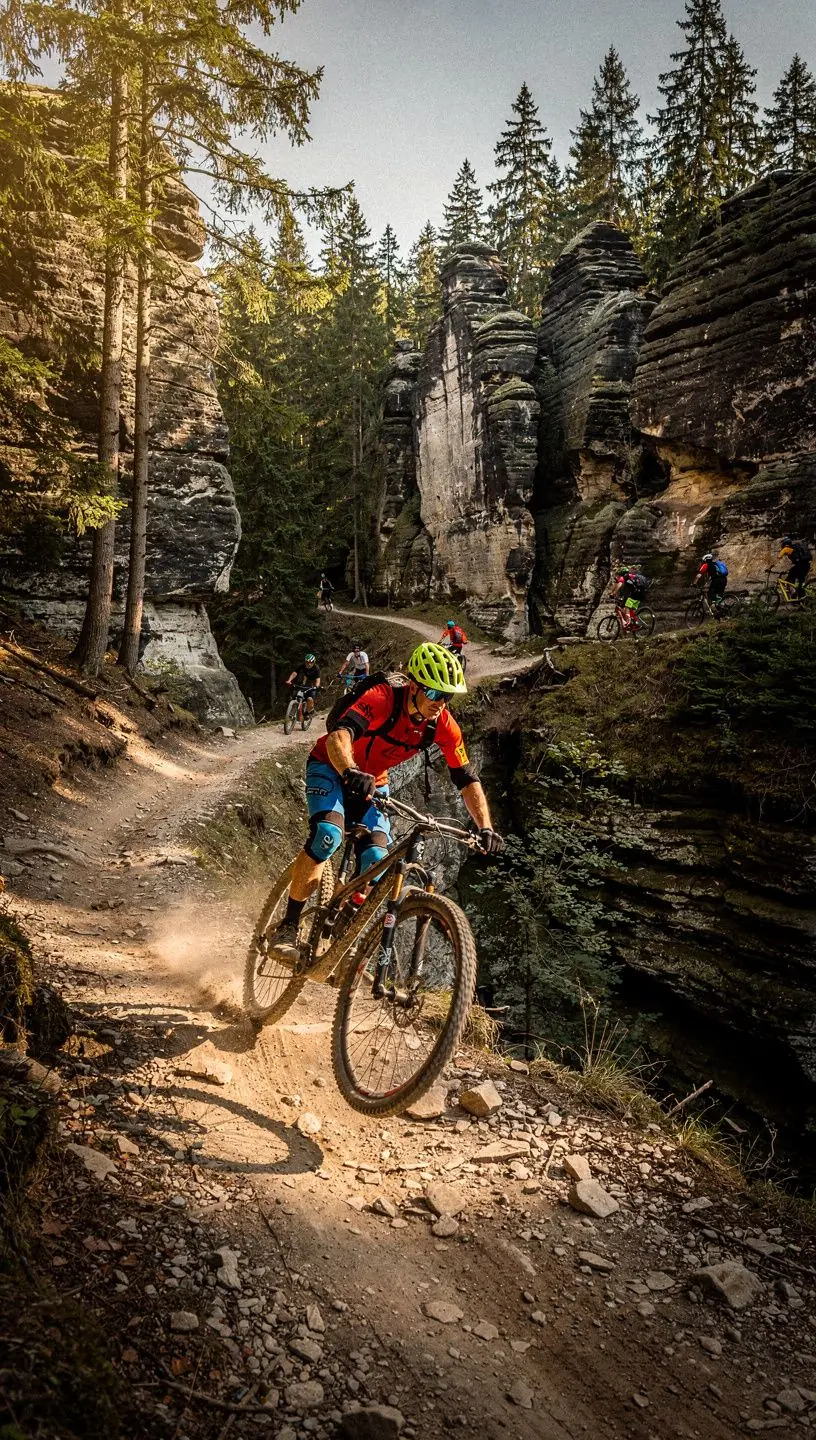
- Krkonošsko-jesenická National Park: This park includes the highest mountain range in the Czech Republic, the Krkonoš, which attracts countless hikers and cyclists, fostering outdoor recreation.
- Český ráj (Bohemian Paradise): Recognized for its striking rock formations and historical castles, it combines geological significance with cultural heritage, appealing to tourists interested in light tourism.
- Podyjí National Park: Characterized by its deep gorges and rich flora, Podyjí is an excellent example of how national parks contribute to biodiversity while offering safe recreational activities.
Challenges and Conservation Efforts
Despite their beauty and ecological importance, Czech national parks face challenges, including climate change, tourism pressure, and habitat loss. Many users report that sustainable tourism practices, such as responsible hiking and cycling, are vital for protecting these fragile ecosystems.
Experts recommend implementing education programs for visitors to raise awareness about the significance of preserving these natural sites. Conservation efforts often involve collaboration between local communities, government bodies, and environmental organizations to ensure that the parks maintain their integrity while providing recreational opportunities.
Conclusion
Exploring the history of Czech national parks reveals their significance not only as natural wonders but also as critical components of cultural heritage. For those interested in outdoor activities, visiting these parks offers a chance to engage with nature while learning about the historical narratives that shaped them. A commitment to sustainable practices can help ensure that these treasured landscapes remain intact for generations to come.
Discover More