
The Impact of Nature on Mental Wellbeing
Engaging with nature is often cited as a beneficial practice for mental health. Research indicates that spending time outdoors can significantly improve mood and overall mental wellbeing. In this article, we will explore how outdoor activities such as walking, cycling, and light tourism contribute to mental health, particularly in the scenic landscapes of the Czech Republic.
Understanding the Connection Between Nature and Mental Health
Studies show that exposure to natural environments can lead to reduced stress levels and enhanced psychological well-being. The principle behind this is rooted in the biophilia hypothesis, which suggests that humans have an innate affinity for nature. Spending time outdoors may help alleviate symptoms of anxiety and depression, providing a sense of tranquility and connection to the world around us.
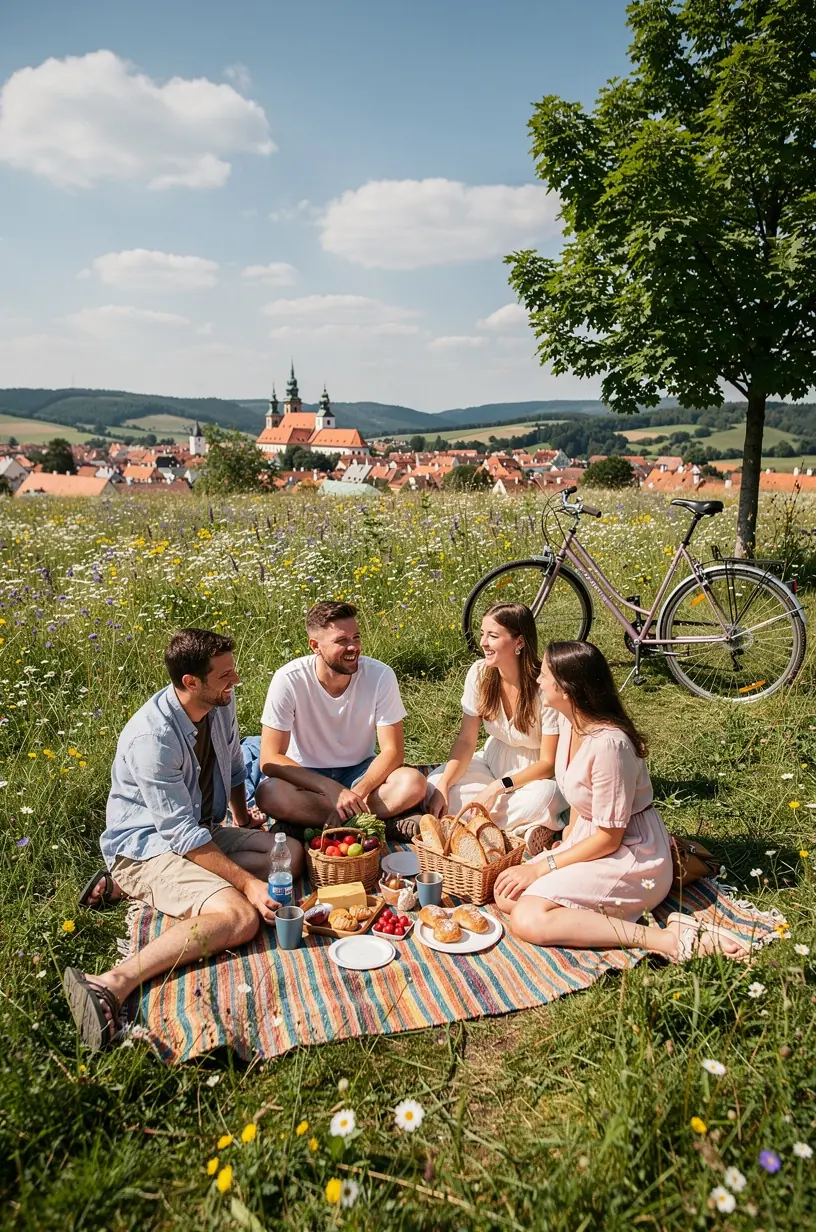
"Research indicates that individuals who spend at least two hours a week in nature can experience improved mental health outcomes."
The Benefits of Outdoor Activities
- Walking: Regular walks in natural settings can lead to improved mood and decreased feelings of stress. Experts recommend aiming for at least 30 minutes of walking several times a week to experience these benefits.
- Cycling: Engaging in cycling not only promotes physical fitness but also enhances mood. Many users report that cycling through parks or scenic routes provides a refreshing escape from daily routines, allowing for mental rejuvenation.
- Light Tourism: Exploring local parks or nature reserves can be a fulfilling way to engage with your surroundings. Research suggests that light tourism activities, which often include walking or cycling, can foster a sense of community and belonging.
Practical Tips to Optimize Your Outdoor Experience
To maximize the mental health benefits of outdoor activities, consider the following tips:
- Choose Natural Environments: Opt for parks, forests, or waterfronts that provide a calming backdrop. Studies suggest that green spaces are particularly effective in reducing stress.
- Incorporate Mindfulness: Take a moment to be present in the moment during your outdoor activities. Research indicates that mindfulness can enhance the mental health benefits of spending time in nature.
- Engage with Others: Participating in group activities can foster social connections, which are essential for mental wellbeing. Involvement in community hikes or cycling clubs may enhance the overall experience.
Conclusion
Engaging with nature through outdoor activities has shown promising effects on mental health. While individual experiences may vary, many users report feeling more relaxed and less anxious after spending time outdoors. Take advantage of the beautiful landscapes in the Czech Republic by incorporating walking, cycling, and light tourism into your routine. Remember, the journey to improved mental wellbeing is often gradual, typically requiring consistent effort and commitment. By prioritizing outdoor recreation, you can positively impact your mental health while enjoying the natural beauty that surrounds you.
Discover More